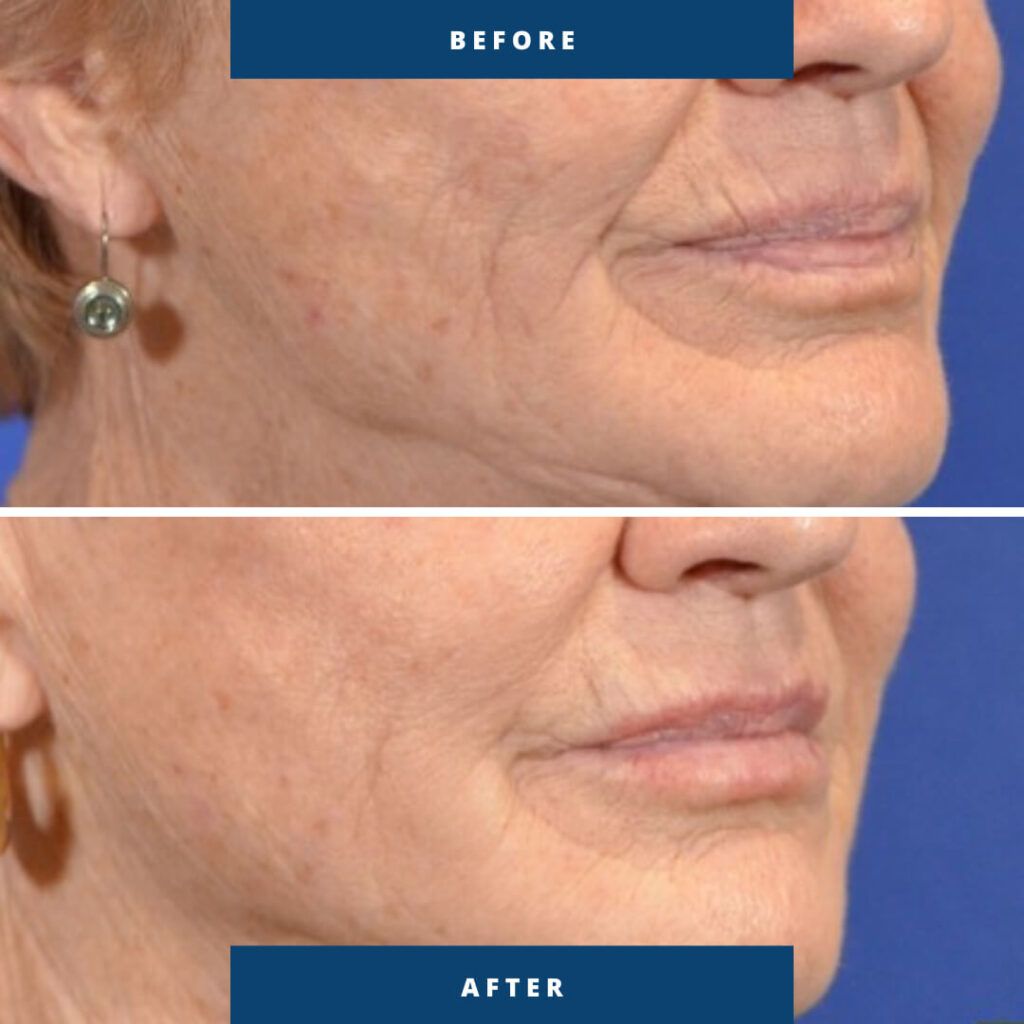
Sculptra isn’t like a typical injectable. It’s the first and only FDA-approved collagen stimulator, designed to gradually restore lost collagen and improve overall skin quality. If you’re considering Sculptra for your next appointment, here are a few important things to know:
1. Results are gradual, but long-lasting
Because Sculptra works by stimulating your body’s natural collagen production, results don’t appear overnight. You may notice changes around one month after treatment, with optimal results developing over time. Most patients enjoy results that can last up to two years.
2. Most patients need 2–3 sessions
Your treatment plan will be customized with your provider, but most patients require 2–3 sessions spaced about 3–4 weeks apart for best results.
3. Common treatment areas
Sculptra is FDA-approved to treat:
- Cheek wrinkles
- Smile lines
- Marionette lines
- Chin wrinkles
4. Aftercare matters
Massage is essential to ensure even product distribution. We recommend the 5-5-5 rule: Massage the treated area for 5 minutes, 5 times a day, for 5 days after treatment.
5. No human or animal components
Sculptra is made from poly-L-lactic acid, a synthetic material that the body naturally absorbs. Because it contains no human or animal components, no allergy testing is required prior to treatment.
If you’re interested in learning more about Sculptra and whether it’s right for you, reach out to our office or speak with your provider!