Microneedling and chemical peels are two popular treatments for improving skin health and appearance. While both deliver amazing results, understanding the difference can help you choose the treatment best suited for your skin’s needs. Here’s how they compare.
Microneedling
Microneedling is best known for targeting acne scarring, fine lines, and signs of aging. Collagen and elastin are essential for maintaining firm, youthful skin, but starting in your 20s, your body naturally begins producing less of both.
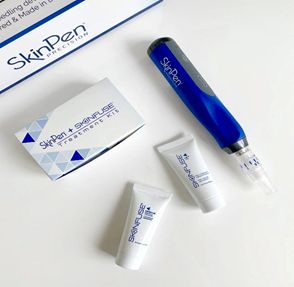
Microneedling treatments begin with a dermaplane and are followed by treatment with the SkinPen®. Microneedling works by creating temporary microscopic channels in the skin, triggering the body’s natural healing response. This process stimulates collagen and elastin production, helping improve skin texture, firmness, and overall appearance. Because collagen continues to rebuild over time, results gradually improve with each treatment.
For best results, a series of 3 treatments spaced 4–6 weeks apart is recommended.
Downtime: Minimal. Expect redness the day of treatment, which typically subsides by the next day, leaving a light pink hue that is easy to cover.
Chemical Peels
As we age, our skin’s natural exfoliation process slows down, often leaving the complexion looking dull or uneven. Chemical peels, especially when paired with dermaplaning, help remove dead skin cells and reveal fresh, healthy skin underneath.
A chemical peel works by applying a carefully controlled acid solution to the skin’s surface. This solution breaks down dead skin cells and signals your skin regenerating new, healthy cells. The result is smoother, brighter, more youthful-looking skin.
Downtime: Mild to moderate. Some flaking or peeling may occur over the following days, depending on the strength of the peel. Some peels cause little to no peeling, while others lead to more noticeable exfoliation.
Glass Microneedling
Glass Microneedling is a combination treatment, blending the benefits of microneedling and chemical peeling for enhanced results.
This treatment includes microneedling followed by the ZO® Stimulator Peel, applied while the microscopic channels are still open. This allows the product to absorb more
effectively and maximize results. Once neutralized, ZO® Radical Night Repair is applied to promote deeper skin repair and renewal.
Due to the more intensive nature of this treatment, increased peeling is expected in the days following. As the skin sheds, it reveals a smooth, bright, youthful complexion, often described as a “glass skin” finish.
Which Treatment Is Right for You?
All three treatments offer incredible skin benefits and promote a healthy, youthful glow. The best option depends on your specific skin concerns, goals, and tolerance for downtime.
Our expert aestheticians are here to help guide you toward the treatment that’s best for you.