The positives:
Healthier patients: Weight loss can improve blood pressure, diabetes control, and overall surgical candidacy.
More options: Many patients seek facial rejuvenation, skin tightening, and body contouring after weight loss.
Natural results: A majority of GLP-1 patients report preferring subtle, natural-looking aesthetic improvements rather than dramatic changes.
The downsides:
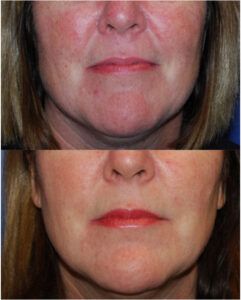
Facial volume loss (“Ozempic face”): Rapid fat loss can make the face appear older or gaunter, increasing interest in fillers or surgical rejuvenation.
Loose skin: Significant or rapid weight loss often leads to excess skin that may also selectively decrease collagen
Surgical timing & safety: GLP-1 medications slow stomach emptying, which may affect anesthesia planning. Guidance on when to pause these medications before surgery is evolving and must be individualized.
Healing & nutrition concerns: Rapid weight loss may affect protein and vitamin levels, which are important for proper healing.
Limited resources: The expense of GLP1s often means that patients don’t have as many resources for elective cosmetic interventions
How our practice approaches GLP-1 patients:
- We review all weight-loss medications during consultations and pre-operative planning.
- We coordinate with your prescribing provider and anesthesiologist to determine safe medication timing.
- We emphasize nutrition optimization and often stage procedures for safer, more predictable results.
The takeaway:
GLP-1 medications are transforming both health and aesthetics. With thoughtful planning, coordinated care, and realistic expectations, patients can achieve excellent cosmetic outcomes after weight loss. If you’re taking a GLP-1 medication and considering cosmetic procedures—even injectables—please let us know so we can tailor your care safely.